
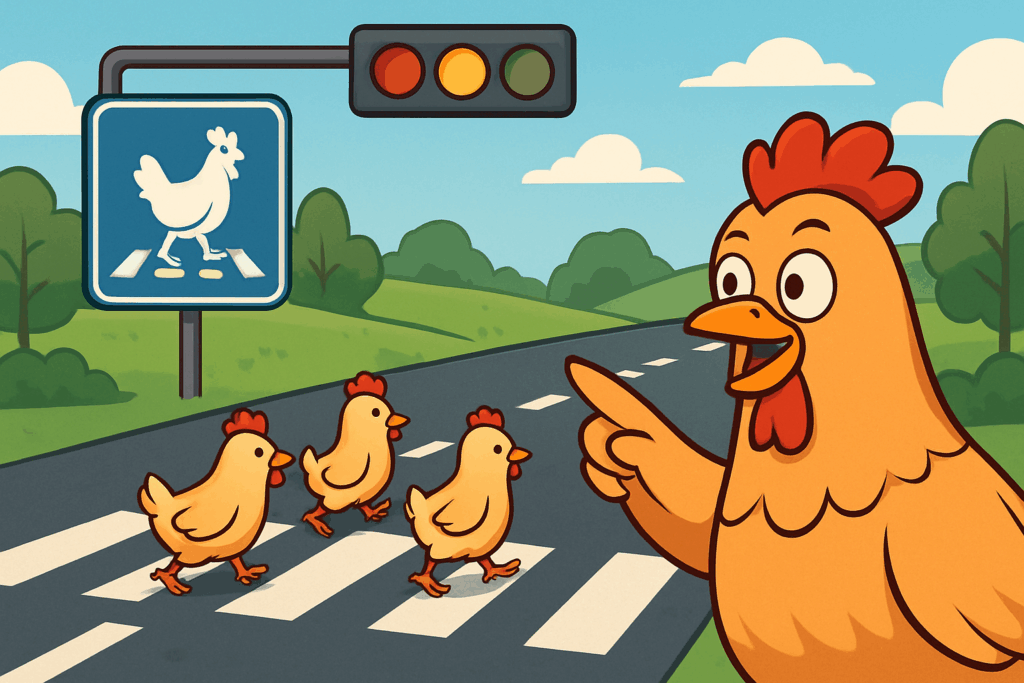
Low volatility slots draw players who favor consistent, lower payouts over the uncommon, massive jackpots of high variance games. These titles provide a steady stream of wins that keep a bankroll going, but they also require a alternative approach to betting, bankroll management, and feature usage. A game like Chicken Road represents that philosophy with its light farmyard theme and mechanics built to produce consistent returns rather than dramatic swings. Grasping the do’s and don’ts of low variance play can turn a relaxed session into a more disciplined and pleasurable experience. This article looks at the main characteristics of low variance slots, clarifies how return-to-player percentages work with volatility, and offers useful guidance on bet sizing, bonus feature strategy, and session discipline. Every recommendation is based in how the games actually work, from payline structures and wild symbols to free spins and multiplier values, so that players can make educated choices without depending on guesswork.
What Low Variance Actually Indicates for a Slot Player
Risk level, also known as, defines the risk profile of a slot game and the pattern of its payouts. A low variance slot delivers wins often, but those wins are typically modest in size. In contrast, a high variance title might go through long dry spells and then award a substantial prize. For a player spinning the reels of Chicken Road, this translates into a session where the balance dips only gently and small wins appear every few spins, often covering the cost of the bet or providing a slight profit. The mathematical model behind low variance slots is built on a hit frequency that can exceed 30%, meaning that roughly one in three spins produces some kind of return. That high hit rate maintains the game engaging and reduces the emotional strain of extended losing streaks, which is why many casual players and those with limited bankrolls gravitate toward these titles.
Nevertheless, low variance does not mean a guaranteed profit. The trade-off is that the big win potential is capped, and bonus rounds rarely deliver massive multipliers. In Chicken Road, the maximum win might be set at a few hundred times the stake rather than the thousands seen in highly volatile games. This design choice determines the entire player experience. Someone who comprehends that the game will not suddenly transform a small bet into a jackpot can adjust expectations and avoid the frustration of chasing an outcome the slot is not engineered to provide. Recognizing this fundamental characteristic is the first step toward playing low variance slots intelligently and extracting the entertainment value they are designed to offer.
Skip the Paytable
Any slot has a paytable detailing symbol values, payline structures, bonus triggers, and special rules. In a low variance game, the paytable displays precisely how the frequent wins are constructed and which symbols deliver the most consistent returns. Anyone who starts Chicken Road and spins without reviewing this information misses critical details, including whether wilds appear on all reels, how many scatters are needed to launch free spins, and whether the bonus round can be retriggered. These details impact betting decisions and expectations. As an illustration, if the highest-paying symbol awards only 10x the line bet for five of a kind, the player immediately understands that big wins will come from stacked combinations or bonus multipliers rather than single five-of-a-kind hits.
The paytable also often displays the game’s volatility rating and RTP, as a numerical value or a visual indicator. With Chicken Road, this information is available through a menu button, and spending thirty seconds to read it is a small investment that benefits throughout the session. Overlooking the rules can lead to misinterpretations, such as believing a near-miss is a malfunction or assuming a feature triggers more easily than it actually does. Knowledgeable play reduces frustration and enables the player to appreciate the game’s design. Every move in low variance slot strategy starts with knowing the machine, and the paytable is the primary source of that knowledge.
The Connection Between RTP and Volatility
Player return is the estimated percentage of all wagered money a slot pays back over an extremely large number of spins. Low variance slots often offer RTP values in the range of 95% to 97%, and aktionen Chicken Road sits comfortably within that bracket. A higher RTP does not mean a player will win in a single session, but it does indicate that the game retains a smaller mathematical edge over time. When RTP is combined with low volatility, the result is a game that returns money to the player in a steady, predictable https://www.focus.de/videos/diverses/frust-und-kleine-gewinne-sechs-dinge-ueber-spielautomaten-die-sie-noch-nicht-wussten_id_4716448.html rhythm. The two metrics work together: RTP sets the long-term average, while volatility dictates how that average is distributed across individual spins. A low variance slot with a 96% RTP will give back small amounts regularly, making the theoretical loss per spin feel almost imperceptible during short play periods.

Players sometimes believe that a high RTP automatically makes a slot a good choice, but that number must be read alongside volatility. A high RTP paired with high volatility can still drain a bankroll quickly if the big wins do not arrive. In the context of Chicken Road, the combination of a solid RTP and low variance creates a cushion that lets players enjoy longer sessions without dramatic balance erosion. The game’s paytable and information screen disclose these figures, and checking them before playing is a simple but powerful do. Knowing the RTP helps set realistic expectations, and understanding that volatility is the engine behind the win frequency allows a player to choose a game that matches their patience and financial comfort level.
Set a Specific Session Budget Prior to You Spin
One of the key disciplines in low variance slot play is determining how much money to risk ahead of the first spin. Because wins come often, it is easy to lose track of time and slowly deplete a bankroll without noticing. A player who starts a session on Chicken Road with a fixed budget, say an amount equal to 200 base bets, gives themselves a solid cushion to absorb the natural ebb and flow of the game. The budget should be an amount the player is completely prepared to lose, and it must never be funded by money needed for essential expenses. Writing down the number or placing a deposit limit in the game interface builds a psychological barrier that helps stop impulsive top-ups when the balance dips.
Sticking to that budget needs a clear plan for bet sizing. If the budget is 200 units and the chosen bet is one unit per spin, the player can expect roughly 200 spins before the funds run out, though the frequent small wins will extend that number considerably. In a low variance environment, a 200-unit budget might realistically last 400 to 600 spins because of the constant recycling of small payouts. The key is to refuse the temptation to increase the bet when a few wins create a temporary surplus. Treating the session budget as a hard boundary, regardless of short-term results, converts a casual pastime into a controlled form of entertainment and is the foundation of responsible play on any low variance title.
Do Bonus Features to Prolong Your Playtime
Low variance slots often include their bonus rounds with elements that produce numerous small wins rather than one colossal payout. In Chicken Road, the free spins feature is a prime example. Activated by landing a specific number of scatter symbols, the round typically grants a set of complimentary spins during which a low multiplier, perhaps 2x or 3x, takes effect to all wins. Because the base game already produces frequent hits, the addition of a modest multiplier during free spins produces a stretch of spins where the balance has a tendency to climb in gentle increments. Players who grasp this can regard the bonus round not as a jackpot opportunity but as a reliable balance booster that prolongs the overall session.
Wild symbols also play a crucial role in sustaining momentum. In many low variance titles, wilds appear regularly and stand in for multiple symbols, completing winning lines that might otherwise fall just short. Chicken Road incorporates wilds that land on the middle reels and help form payline combinations across the game’s fixed paylines. The cumulative effect of these small assists is significant over hundreds of spins. Rather than wagering bigger to go after the bonus, a smart player focuses on reaching the feature organically and then benefits from the steady accumulation it offers. Recognizing that the bonus is a tool for longevity, not a lottery ticket, transforms the mindset from short-term gambling to sustained entertainment.
Do: Select a Low Risk Slot with a Style That Keeps You Engaged
Because low variance slots are built for longer sessions, the sensory experience is important more than it could in a high variance game where a player gambles quickly and departs. A theme that feels absorbing or amusing can make the consistent rhythm of modest wins delightful rather than tedious. Chicken Road uses a lively farmyard setting with animated chickens, eggs, and country symbols, complemented by cheerful sound effects. That kind of presentation keeps the mood easygoing and encourages a player to get into the session without monotony setting in. When the entertainment value of the theme matches with the mathematical comfort of low volatility, the general experience becomes more rewarding and less concentrated on the monetary outcome.
There exists no lack of low variance slots with diverse themes, from retro fruit machines to quest and mythology. The essential thing is to pick one that connects individually. A player who discovers the farm theme of Chicken Road charming will likely keep interested through the typical ups and downs of the funds, while someone who likes a alternative aesthetic can locate an option with a comparable volatility profile. The do here is to treat theme selection as an element of the strategy, not an oversight. A game that feels like a burden to look at will lure a player to raise bets or switch games rashly, compromising the prudent bankroll management that low variance play necessitates.
Refrain from Increasing Your Bet Size to Chase a Major Jackpot
A frequent mistake among slot players is increasing the bet after a string of small wins in https://www.kleinezeitung.at/service/gewinnspiele/18541203/gewinnen-sie-ein-ticket-fuer-2-personen-in-einem-vip-auto-fuer-den the expectation of hitting a larger payout. In a low variance game like Chicken Road, this strategy works against the mathematical design. The game’s payout structure is adjusted to offer frequent but modest returns, and doubling the stake does not multiply by two the probability of initiating a bonus or achieving a top symbol combination. Instead, it simply speeds up the rate at which the house edge applies on the wagered amount. A player who transitions from a minimum bet to a mid-range bet after a few winning spins will witness their balance drop faster during the certain periods of smaller returns, wiping out the gains that the low variance model carefully provides.
The maximum win ceiling in low variance slots is usually modest, often spanning from 200x to 500x the stake. Pursuing that ceiling with larger bets opens up the bankroll to unnecessary risk without a proportional boost in reward potential. The better strategy is to maintain a consistent bet size that corresponds with the session budget and let the game’s natural hit frequency take effect. If a player wants the thrill of a bigger possible payout, moving to a medium or high variance slot with a separate budget is a more logical move than attempting to force a low variance game to behave like something it is not. Control in bet sizing maintains playtime and respects the engineering behind the slot.

Avoid Ignore the Bet Range and Its Impact on Your Balance
Low variance slots commonly offer a wide bet range to suit different bankroll sizes, and Chicken Road is no exception. The game often allows a minimum spin cost that is low enough for penny players while also offering higher limits for those with larger budgets. Neglecting this range and choosing a bet size arbitrarily can cut a session dramatically. A player who selects the bet too high relative to their bankroll will deplete funds even with frequent wins, because the small payouts will not offset the larger stake. On the other hand, choosing the bet at the absolute minimum might make the session feel uneventful, as the absolute value of each win becomes tiny.
The right bet size is one that permits for at least 150 to 200 spins within the session budget while still making the wins feel meaningful. For a budget of 50 currency units, a bet of 0.25 units per spin gives 200 base spins, and the low variance model will extend that further. Reviewing the bet adjustment controls before playing and experimenting with a few spins in demo mode, if available, can help a player locate the sweet spot. The bet range is a tool for session management, and using it deliberately is a hallmark of a disciplined approach. Ignoring it leads to sessions that end too quickly or feel underwhelming, neither of which fulfills the purpose of low variance entertainment.
Set a Gain Objective and a Loss Limit
Walking away from a slot at the proper moment is a skill that extends to all volatility levels, but it is especially important in low variance games where the balance can stay around the starting point for a prolonged time. A player who sets a defined profit target, such as a 30% gain over the session budget, gives themselves an exit point that locks in gains before the certain downswing. On Chicken Road, a 30% profit might be achieved after a perfectly timed free spins round, and cashing out at that moment transforms a theoretical return into a real one. Without a target, the urge to keep spinning often leads to giving back the profit and then some, as the game’s steady drain resumes.
Similarly vital is a loss limit, an amount the player is ready to lose before stopping. This limit should be the whole session budget, not a penny more. When the balance hits zero or the predetermined loss threshold, the session ends. The discipline to stick to both boundaries transforms slot play from a reactive activity into a structured one. In low variance slots, the frequent small wins can create an illusion of control that makes it tougher to stop, but the mathematics remain constant. Setting these limits before the first spin and regarding them as non-negotiable rules protects the bankroll and upholds the enjoyment that games like Chicken Road are intended to deliver over long, relaxed sessions.