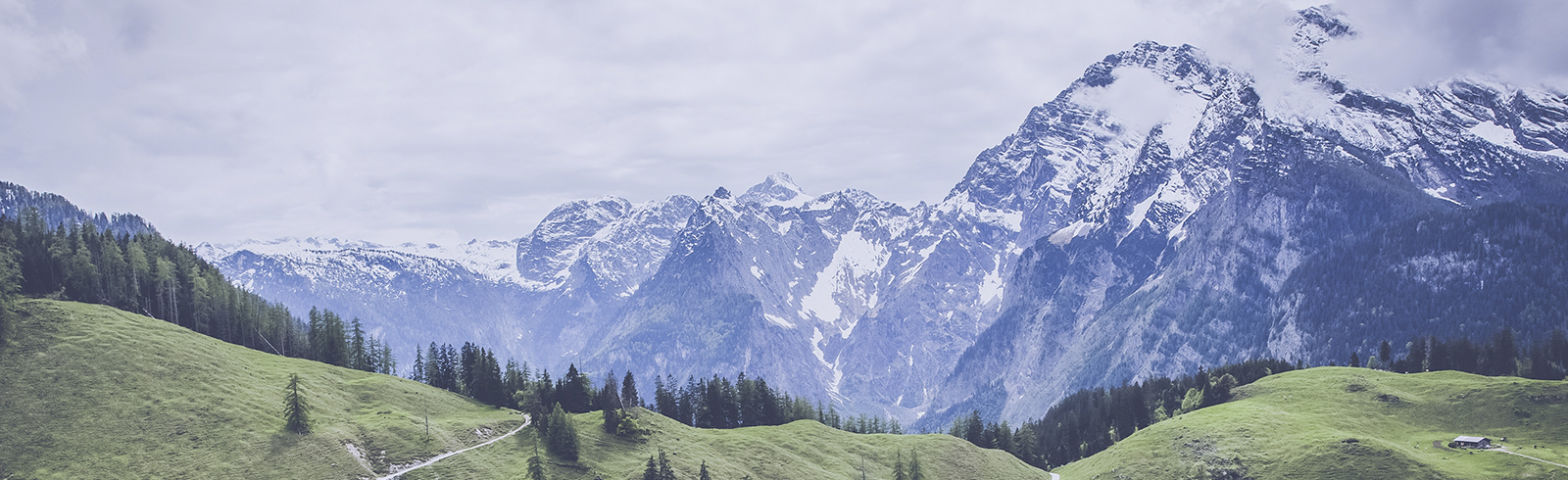
- Creative workshops featuring seasons art class inspire joyful expression and learning
- Exploring Seasonal Color Palettes and Techniques
- The Influence of Light and Shadow
- Nature as a Primary Source of Inspiration
- Botanical Illustration and Landscape Painting
- Exploring Different Artistic Mediums
- The Benefits of Mixed Media Approaches
- The Therapeutic Benefits of Seasonal Art
- Expanding Artistic Horizons Beyond the Classroom
Creative workshops featuring seasons art class inspire joyful expression and learning
Discover the joy of artistic expression with a seasons art class, a unique opportunity to connect with nature’s beauty and develop your creative skills. These classes aren’t simply about learning to paint or sculpt; they’re about experiencing the transformation of the world around us and translating that experience onto canvas, paper, or into three-dimensional form. Whether you are a seasoned artist looking for new inspiration or a complete beginner eager to explore your artistic side, a seasonal art class provides a welcoming and stimulating environment for growth and self-discovery. It taps into an innate human desire to observe, interpret, and celebrate the ebb and flow of the natural world through artistic endeavors.
The appeal of these workshops lies in their ability to offer a fresh perspective on familiar themes. Each season – spring, summer, autumn, and winter – presents a distinct palette of colors, textures, and moods. An art class structured around these cycles encourages participants to see the world with new eyes and to experiment with different techniques and materials to capture the essence of each season. Moreover, participating in these classes fosters a sense of community and shared passion, allowing individuals to connect with like-minded people and learn from one another’s experiences. These classes represent a wonderful way to de-stress, engage your imagination, and create lasting memories.
Exploring Seasonal Color Palettes and Techniques
One of the most captivating aspects of seasons art classes is the exploration of color. Spring often inspires palettes of soft pastels, vibrant greens, and delicate floral hues, prompting artists to experiment with watercolor washes and impressionistic brushstrokes. Summer’s intensity demands bolder colors – fiery oranges, deep blues, and golden yellows – encouraging the use of acrylics and mixed media to capture the heat and energy of the season. Then, autumn arrives, bringing with it a rich tapestry of earthy tones – russets, ochres, and crimson reds – that lend themselves beautifully to oil painting, collage, and printmaking. Finally, winter calls for a more subdued approach, with cool blues, grays, and whites dominating the canvas, ideally suited for charcoal, pen and ink, or even textured snow scenes created with acrylic mediums. Understanding how to effectively utilize these seasonal color palettes is a core skill nurtured within these learning environments.
The Influence of Light and Shadow
Beyond color, the way light and shadow change throughout the year significantly impacts artistic representation. Summer light is bright and harsh, creating strong contrasts, while winter light is soft and diffused, resulting in subtle gradations. Artists learn to observe these nuances and translate them into their work, enhancing the sense of depth, form, and atmosphere. Techniques like chiaroscuro, glazing, and scumbling are often employed to achieve compelling effects of light and shadow, adding a sense of realism and emotional depth to the artwork. This could also involve studies in plein air painting, directly observing and capturing the effects of light in real-time. Experimentation with different light sources, both natural and artificial, is also common.
| Season | Dominant Colors | Recommended Mediums | Key Techniques |
|---|---|---|---|
| Spring | Pastels, Greens, Florals | Watercolor, Impressionistic Acrylics | Washes, Soft Blending |
| Summer | Oranges, Blues, Yellows | Acrylics, Mixed Media | Bold Strokes, Layering |
| Autumn | Russets, Ochres, Reds | Oil Painting, Collage, Printmaking | Texturing, Glazing |
| Winter | Blues, Grays, Whites | Charcoal, Pen & Ink, Acrylics | Hatching, Scumbling |
The importance of understanding value – the lightness or darkness of a color – is continuously stressed in these classes. A strong understanding of value relationships is crucial for creating believable and visually appealing artwork, regardless of the subject matter or medium used. Practicing value studies, using a limited palette of black, white, and a single color, helps build this crucial skill.
Nature as a Primary Source of Inspiration
A central tenet of a seasons art class is the direct observation of nature. Artists are encouraged to spend time outdoors, sketching, painting, and photographing landscapes, plants, and animals. This immersion in the natural world fosters a deeper connection to the environment and provides a wealth of inspiration for their artwork. It’s about more than just replicating what’s seen; it’s about interpreting the essence of nature and expressing that interpretation through artistic choices. Field trips to local gardens, parks, and forests are often incorporated into the curriculum, providing opportunities for artists to engage with nature firsthand and to share their experiences with others. These experiences can also contribute to a greater appreciation for conservation and environmental stewardship.
Botanical Illustration and Landscape Painting
Botanical illustration is a popular focus within seasonal art classes. This discipline requires careful observation and precise rendering of plant forms, helping artists to develop their drawing skills and attention to detail. Landscape painting, on the other hand, encourages a broader exploration of composition, perspective, and atmospheric effects. Both botanical illustration and landscape painting offer unique challenges and rewards, and they can be combined to create stunning and evocative artwork. Techniques such as dry brushing, pointillism, and scumbling are frequently employed in landscape painting to create a sense of texture and depth. The process of translating a three-dimensional scene onto a two-dimensional surface also reinforces spatial reasoning and visual perception skills.
- Develop observational skills through direct engagement with the natural world.
- Master techniques specific to capturing seasonal colors and light.
- Explore different artistic mediums, from watercolor to oil paint.
- Build a portfolio of seasonal artwork to showcase your progress.
- Connect with a community of like-minded artists.
Beyond just replicating the visual appearance of nature, the best artists try to capture the feeling of a season. What does spring feel like? What mood does winter evoke? These are the questions that these courses encourage you to explore.
Exploring Different Artistic Mediums
A comprehensive seasons art class doesn’t limit itself to a single medium. Participants are often introduced to a variety of materials and techniques, including watercolor, acrylics, oil paints, pastels, charcoal, and mixed media. This exposure allows artists to discover their preferred mediums and to develop a versatile skill set. Each medium offers unique advantages and challenges. Watercolor, for example, is known for its transparency and luminosity, while oil paints are prized for their richness and blendability. Acrylics offer a good balance of versatility and affordability. Exploring different mediums encourages experimentation and fosters a deeper understanding of the properties of each material. This also allows for a more adaptable and personalized artistic expression.
The Benefits of Mixed Media Approaches
Mixed media techniques, which involve combining different materials and methods, are particularly well-suited for capturing the complexity and richness of the seasons. For instance, an artist might combine watercolor washes with charcoal lines, or acrylic paint with collage elements, to create a layered and textured artwork. This approach allows for a greater degree of creative freedom and can result in truly unique and expressive pieces. Experimenting with texture is another key element of mixed media art. Artists might use sand, fabric, or other materials to create three-dimensional effects and add visual interest to their work. This exploration is about breaking boundaries and creating something entirely new.
- Gather inspiration from nature through observation and sketching.
- Select appropriate artistic mediums based on the season and subject matter.
- Experiment with different techniques, such as layering, blending, and scumbling.
- Develop a personal artistic style that reflects your unique vision.
- Share your artwork with others and receive constructive feedback.
The combination of different mediums allows artists to effectively convey the multi-sensory experience of a season—the scent of blossoms, the warmth of the sun, the crispness of the air, and the sounds of nature. This elevates artwork beyond a mere visual representation.
The Therapeutic Benefits of Seasonal Art
Participating in a seasonal art class offers more than just artistic enrichment; it also provides significant therapeutic benefits. The act of creating art is inherently relaxing and can help to reduce stress and anxiety. Focusing on the beauty of nature and translating that beauty into artwork can be a deeply mindful experience, allowing artists to connect with their inner selves and to find a sense of peace and tranquility. The rhythmic movements involved in painting, sculpting, or drawing can be meditative, promoting a state of flow and reducing mental clutter. The social interaction within the class also provides a sense of community and belonging, which can be particularly beneficial for individuals who are feeling isolated or lonely. The opportunity to receive constructive feedback and encouragement from fellow artists further enhances the therapeutic value of the experience.
Expanding Artistic Horizons Beyond the Classroom
The skills and inspiration gained in a seasons art class can extend far beyond the confines of the classroom. Artists can continue to develop their craft through independent study, workshops, and participation in art exhibitions. Sharing artwork online, through social media or online galleries, can provide valuable exposure and connect artists with a wider audience. Furthermore, the creative confidence and problem-solving skills developed in these classes can be applied to other areas of life. The ability to observe the world with a discerning eye, to experiment with different approaches, and to embrace imperfection are valuable assets in any field. It’s about fostering a lifelong love of learning and a commitment to creative expression.
Consider looking into local art communities and groups; many offer ongoing opportunities for seasonal painting or drawing trips, further honing skills learned in class. The beauty of these types of classes is that they consistently remind us of the cyclical nature of life, and the constant renewal and inspiration that each season provides. Continuing to explore this relationship is a joyous, fulfilling endeavor for any artistic soul.